August 27 2007
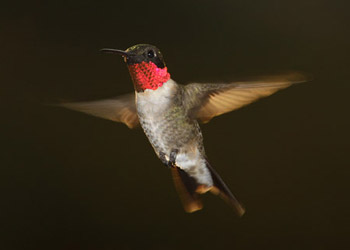
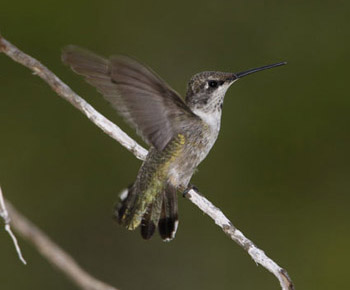
Many hummers! Lots of Ruby throats, Black-chinned and juveniles
Posted in 2007 Journal, Census

Many hummers! Lots of Ruby throats, Black-chinned and juveniles
Posted in 2007 Journal, Census
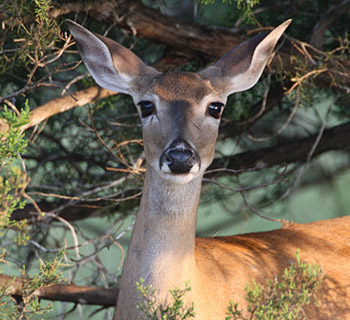
16 total deer, 8 youngsters. Plan to hunt deer this winter.
Caretaker's note: White-tailed deer are overpopulated in the hill country. The numbers of their natural predator, the mountain lion, is in decline.
Many deer are hit by cars and some starve. They browse heavily on seedlings and forbes. They also require acorns and juniper berries for mast. All plantings that are not deer resistant have been caged with wire to prevent browsing. Attempts at introducing new native plant species require extra effort to ensure success. watersto_jennystone allows hunting on the land. Plans are now underway to prepare for the hunting season in the winter.
Improved habitat and selective harvest equals quality deer according to information published about managing White-tailed deer in the Texas Hill Country (PDF) from the Texas Parks and Wildlife website.
Posted in 2007 Journal, Census
Hurricane Dean in Mexico, very cool, light shower and breezy. River very high and fast.
Posted in 2007 Journal, Census, Habitat, Food, Water
Chiggers!
Caretaker's note: This is a sign that the fire ants are less numerous than before and under control. Have not seen (or felt) chigger bites for 10 years before.
Continued feeding hummingbirds
Caretaker's note: The large 15 ounce feeders do better in the deep shade. Also experimented with city chlorinated water instead of rain water and the feeding solution seemed to last longer.
Saw:
Caretaker's note: Cowbirds are a predatory species on songbirds previously discussed in a 2005 Journal entry. A few have been seen in the spring during nesting season but efforts to find them and shoot them failed. This 2007 photo shows the young cowbirds being introduced to a water source by their adoptive parents, the cardinals. Cowbirds are so named because they tend to be found near cattle operations. Historically, they adapted their predatory behavior to follow buffalo as they roamed to new grazing areas.
Posted in 2007 Journal, Census, Predator, Food, Water
Posted in 2007 Journal, Census, Food
web application - database development by davidcdalton.com
New Site